%2F%2Fusers%2F4cd89cb9-c311-4e0b-be2e-5fa3cae29748%2Fratecard%2Fimage-2025-08-04t002255.061-mtlbs1sd.webp&w=1920&q=75)
Pro Catfish Charter: Truman Lake Mastery
When you're ready to step up your catfish game, this isn't your typical guided trip. Jordan Leer runs a tight ship on Truman Lake, and this 5-hour pro charter is built for anglers who want to learn what separates weekend warriors from the guys who consistently put trophy cats in the boat. You'll spend your time working the deep structure and prime ledges where the big blues and channels hang out, using electronics and techniques that most anglers never get exposed to. With just 2 spots available, you're getting personalized attention that'll change how you approach catfishing forever.
What to Expect on the Water
This top-rated charter kicks off early, and Jordan wastes no time getting you on productive water. Truman Lake's got some serious structure - submerged timber, creek channels, and ledges that drop into 40-plus feet of water. That's where the quality fish live, and Jordan knows every productive spot from years of putting clients on fish. You'll start by reading the electronics, learning how to identify catfish holding in different types of cover. The boat's rigged with high-end sonar that shows you exactly what's down there, and Jordan breaks down what you're seeing in real-time. This isn't about dropping a line and hoping - it's about precision fishing that targets specific fish in specific spots. Bring your own gear if you've got favorites, or use the provided rods and tackle that Jordan's selected for these conditions.
Advanced Tactics & Techniques
The difference between good catfish anglers and great ones comes down to bait presentation and reading water, and that's where this charter shines. Jordan covers advanced rigging techniques that keep your bait in the strike zone longer, whether you're working steep ledges or fishing timber. You'll learn how different bottom compositions affect fish behavior, and how to adjust your approach based on what the electronics are telling you. Current breaks, temperature changes, and structure positioning all play into where cats set up to feed, and Jordan walks you through the decision-making process that consistently produces fish. The focus here is on technique refinement - fine-tuning your hooksets, understanding when to move spots, and reading subtle bites that less experienced anglers miss. By the end of 5 hours, you'll have a completely different understanding of how to approach catfish water.
Target Species Breakdown
Blue Catfish are the crown jewel of Truman Lake, and for good reason. These fish grow big in the lake's fertile waters, with 20-pounders being solid catches and 30-plus pound blues showing up regularly for anglers who know where to look. Blues prefer deeper water and stronger current, typically holding along main lake ledges and creek channel bends where baitfish get pushed by the flow. They're most active during low-light periods, but Jordan's techniques can pull them during midday when most anglers struggle. What makes blues so exciting is their raw power - when a big blue takes off on its first run, you know you're connected to something special.
Channel Catfish might be smaller than their blue cousins, but they make up for it with numbers and fight. Channels in Truman typically run 2-8 pounds, with the occasional fish pushing double digits. They're more structure-oriented than blues, loving submerged timber, rock piles, and shallow flats adjacent to deeper water. Channels are also more willing to feed during bright conditions, making them perfect targets when blues shut down. They hit hard and fight dirty, using every piece of cover to try and break you off. The best part about channels is their consistency - when you find a good school, you can often work them for extended periods.
White Bass show up as bonus fish throughout the trip, especially during spring and fall when they're actively feeding on shad schools. These scrappy fighters average 1-2 pounds but make up for size with attitude. When whites are feeding, they'll hit just about anything that moves, and they often travel in large schools that can provide non-stop action. They're particularly active around main lake points and creek mouths where baitfish concentrate.
Striped Bass are the wildcard species - when you hook into a striper, you know it immediately. These fish can reach 20-plus pounds in Truman's waters and they fight like freight trains. Stripers are nomadic, following baitfish schools throughout the lake system. They're most active during cooler months and low-light periods, often feeding in open water or along steep banks. A hooked striper will make long runs and use its weight to try and throw the hook, making them one of the most challenging fish in the lake.
Time to Book Your Spot
This world-class catfish charter fills up fast, especially during prime season when the fish are most active. Jordan's reputation for putting anglers on quality fish keeps his calendar booked, and the limited 2-guest capacity means spots are at a premium. Whether you're looking to learn advanced techniques, target trophy cats, or just fish with someone who knows Truman Lake inside and out, this pro charter delivers. The combination of Jordan's expertise, high-end electronics, and access to proven fish-holding structure gives you the best shot at a memorable day on the water. Don't wait - book your spot with Angler's Edge Guide Service and experience what serious catfishing looks like on one of Missouri's best catfish lakes.
Learn more about the species
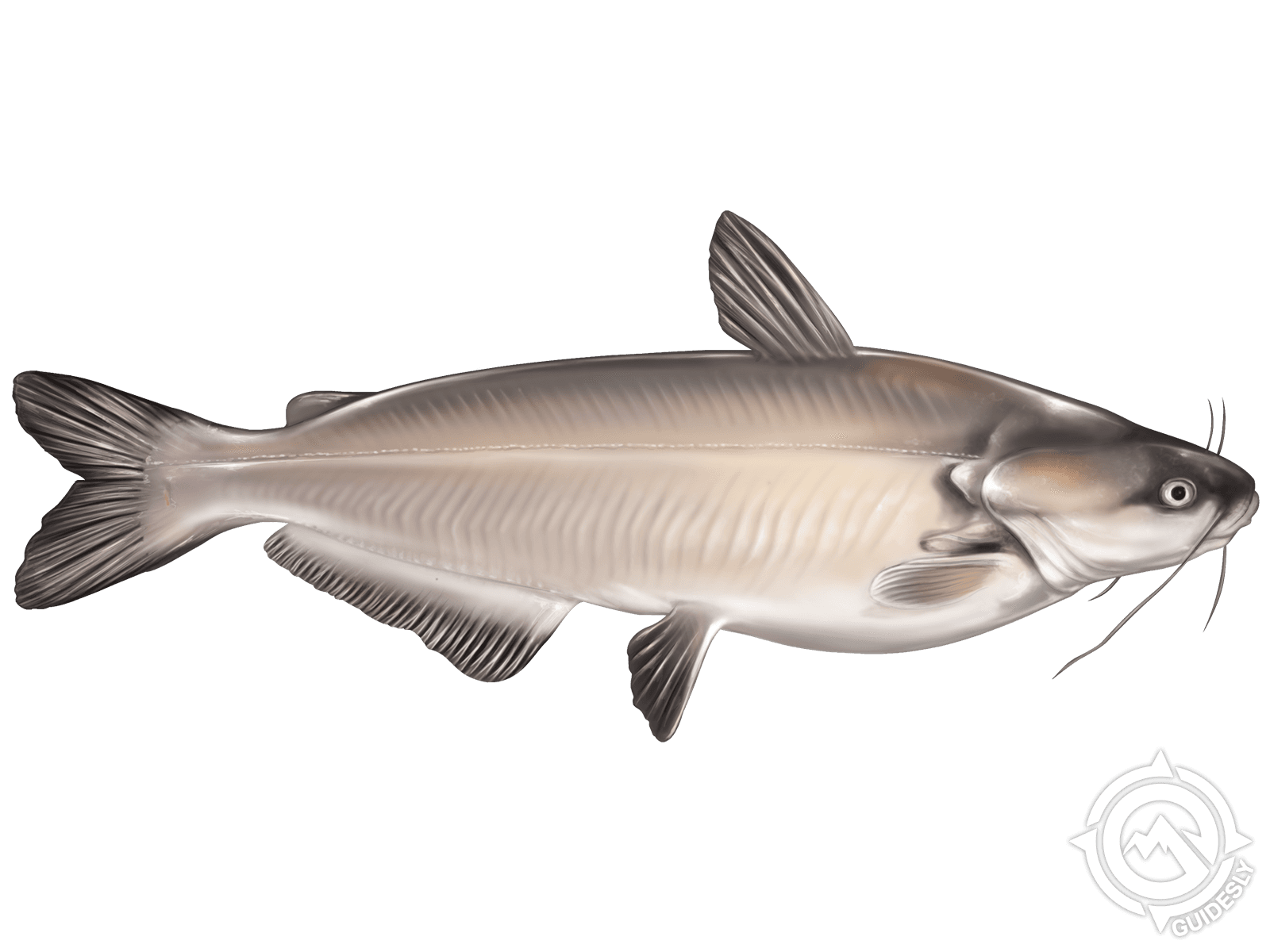
Blue Catfish
Blue cats are the giants of Truman Lake, regularly hitting 20-40 pounds with some monsters pushing 70+ pounds. They love deep holes, ledges, and structure where they ambush baitfish. These bruisers have a slight underbite and squared-off anal fin that separates them from channel cats. Summer through fall is prime time when they're actively feeding before winter. What draws anglers is the raw power - blues will test your drag and your patience. They're also excellent table fare with firm, white meat. Fresh cut bait works best - shad, skipjack, or even chicken liver. Here's my secret: let your bait sit on bottom near structure and wait. Blues are opportunistic, so don't jig or move it around. Patience pays off with these heavyweight fighters.
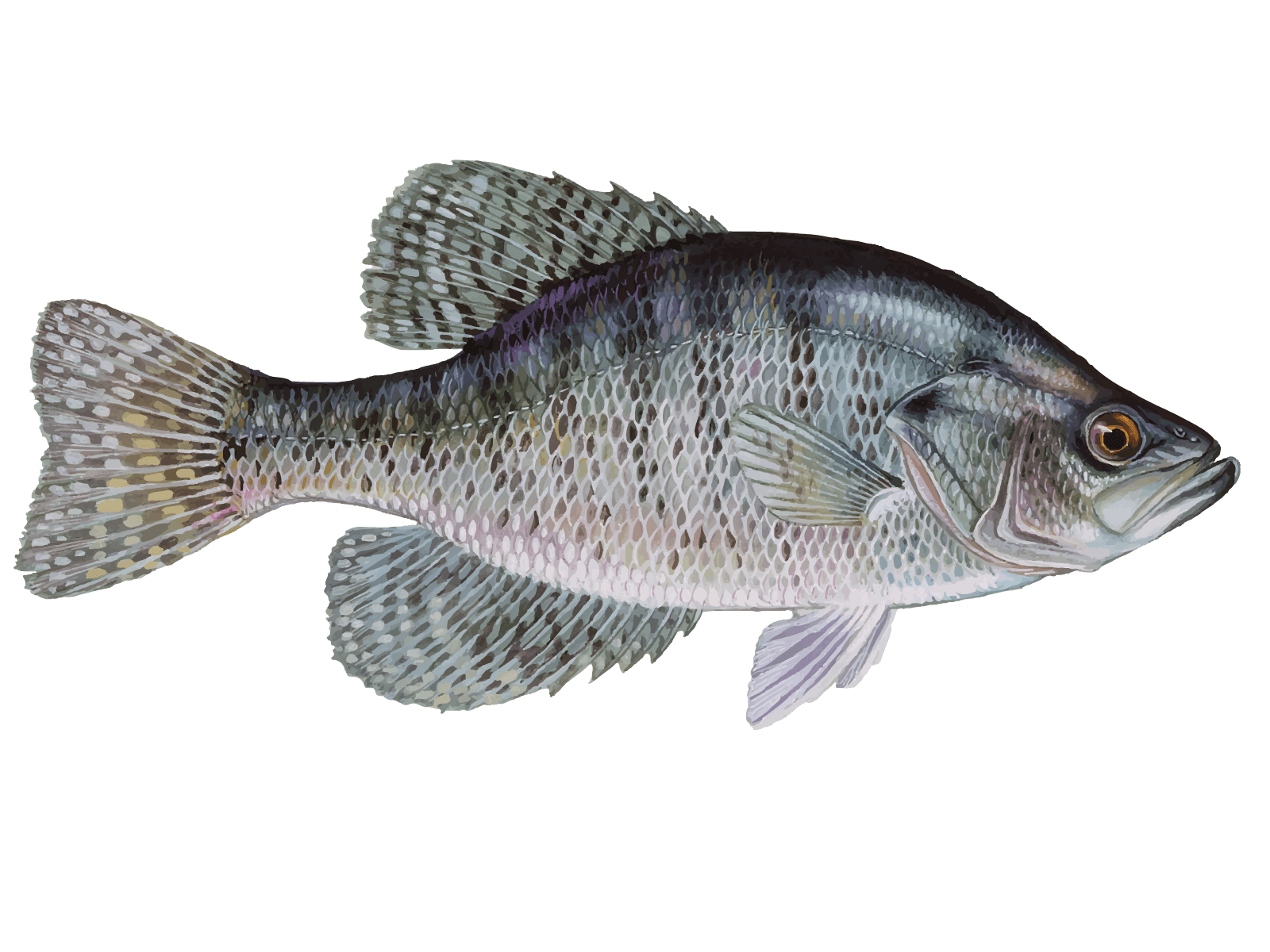
Crappie
Crappie typically run 7-12 inches and travel in schools around brush piles, fallen trees, and structure. We've got both black and white crappie here - blacks prefer clearer water while whites handle murkier conditions. Spring spawning season is peak time when they move shallow, but they bite year-round if you know where to look. These fish are prized for their delicate, white meat that's hard to beat on the dinner table. They're not aggressive fighters, but the challenge is locating them and presenting your bait right. My go-to method is using small jigs or live minnows around cover. Key tip: crappie have paper-thin mouths, so keep steady pressure but don't horse them in or you'll lose fish.
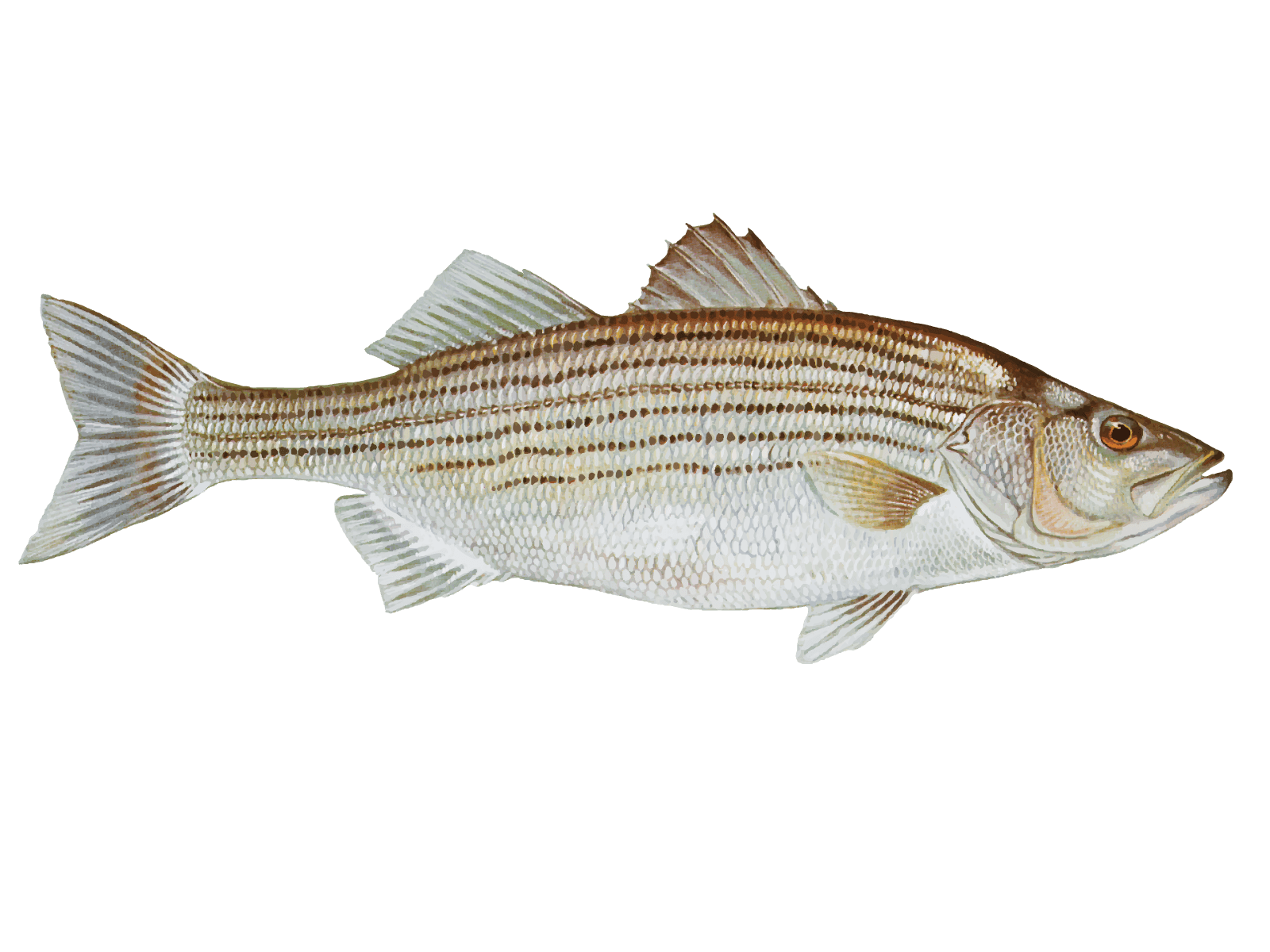
Striped Bass
Stripers in Truman average 15-25 pounds but can reach 40+ pounds. They're silver with distinctive black stripes and roam open water chasing baitfish. Spring and fall are best when they're actively feeding, especially early morning and late evening. Look for them around points, humps, and wherever baitfish are schooling. These fish are pure adrenaline - they'll make long runs and jump when hooked. The meat is sweet and flaky, perfect for the grill. They're structure-oriented but cover lots of water hunting shad schools. Best technique is following the birds - when you see gulls diving, stripers are usually feeding below. Use live shad or large swimbaits near the surface during feeding frenzies.
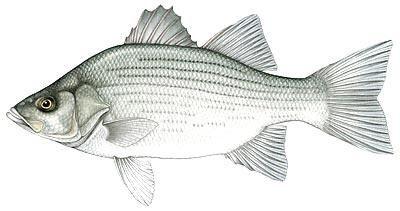
White Bass
White bass run in schools and average 10-12 inches, though some reach 18 inches and several pounds. They're silver-white with distinctive dark stripes along their sides. You'll find them in open water and around structure during spring and fall when they're most active. Spring spawning runs are prime time - they move shallow and feed aggressively on minnows and small baitfish. What makes them popular is the fast action when you locate a school, plus they're excellent eating with sweet, flaky meat. They fight hard for their size and will bend your rod. Pro tip: once you catch one, stay put and work the area thoroughly. Where there's one white bass, there's usually a whole school nearby waiting to bite.
About the The Edge
%2F%2Fusers%2F4cd89cb9-c311-4e0b-be2e-5fa3cae29748%2Fvehicle_picture%2Fboat-mtlbts8c.webp&w=1920&q=75)
Vehicle Guest Capacity: 8
Manufacturer Name: Suzuki
Maximum Cruising Speed: 50
Number of Engines: 1
Horsepower per Engine: 250