%2F%2Fusers%2F4cd89cb9-c311-4e0b-be2e-5fa3cae29748%2Fratecard%2Fscreenshot2026-09-03144550-mtlbr7m5.png&w=1920&q=75)
Family Fishing Charter on Lake of the Ozarks
Looking for a perfect way to get the family out on the water without the stress? Guide Jordan Leer knows exactly how to make your Lake of the Ozarks fishing trip both relaxing and productive. This 5-hour morning charter is built around families who want to enjoy some quality time together while actually catching fish. With space for up to 2 guests, you'll get personalized attention and plenty of room to spread out. Jordan keeps things simple but effective – no complicated techniques or marathon days that wear everyone out. Just good old-fashioned fishing in some of the lake's most reliable spots.
What to Expect on the Water
Your morning starts early when the fish are most active and the lake is calm. Jordan meets you at the dock with everything ready to go – rods rigged, bait prepped, and coolers stocked with ice. The boat is spacious enough that nobody feels cramped, which makes a huge difference when you're spending five hours together. You'll head out to Jordan's proven family-friendly spots where the action is steady but not overwhelming. These aren't the deep, technical areas where you need years of experience – they're places where everyone can feel confident and successful. The focus stays on having fun while learning some solid fishing fundamentals. Jordan explains what's happening as you go, so by the end of the trip, you'll understand why certain spots produce fish and others don't. The pace stays relaxed, with plenty of time to enjoy the scenery and take photos when the fish are cooperating.
Gear Setup & Techniques
Jordan keeps the tackle simple and effective for family groups. You'll be using medium-action rods that are easy to handle but strong enough for the bigger fish Lake of the Ozarks is known for. Most of the fishing involves bottom rigs and live bait – nothing fancy, but it works consistently. For the catfish, you'll typically use chicken livers or cut bait on circle hooks, which are much more forgiving if someone doesn't set the hook perfectly. When targeting white bass and striped bass, Jordan switches to smaller jigs or live minnows depending on what the fish want that day. The beauty of this approach is that it doesn't require perfect casting or years of experience. Jordan positions the boat so everyone can reach productive water easily, and he's always ready to help with tangles or retying hooks. All the gear is top-quality and well-maintained – you won't deal with reels that stick or rods that feel like they're going to break. Bait stays fresh in aerated livewells, and Jordan brings plenty of backup options if the fish get picky.
Species You'll Want to Hook
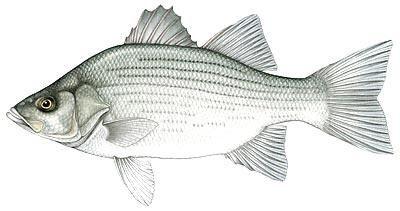
White bass are absolute favorites for family trips because they're aggressive, fight hard for their size, and often travel in schools. During spring and fall, these silver bullets move into shallow areas to feed, creating some of the most consistent action you'll find anywhere. They typically run 1-2 pounds, which is perfect for younger anglers – big enough to feel exciting but not so large they can't handle the fight. When you find a school, it's not uncommon to catch a dozen or more before they move on. The best part is their willingness to hit almost anything, from small jigs to live minnows.
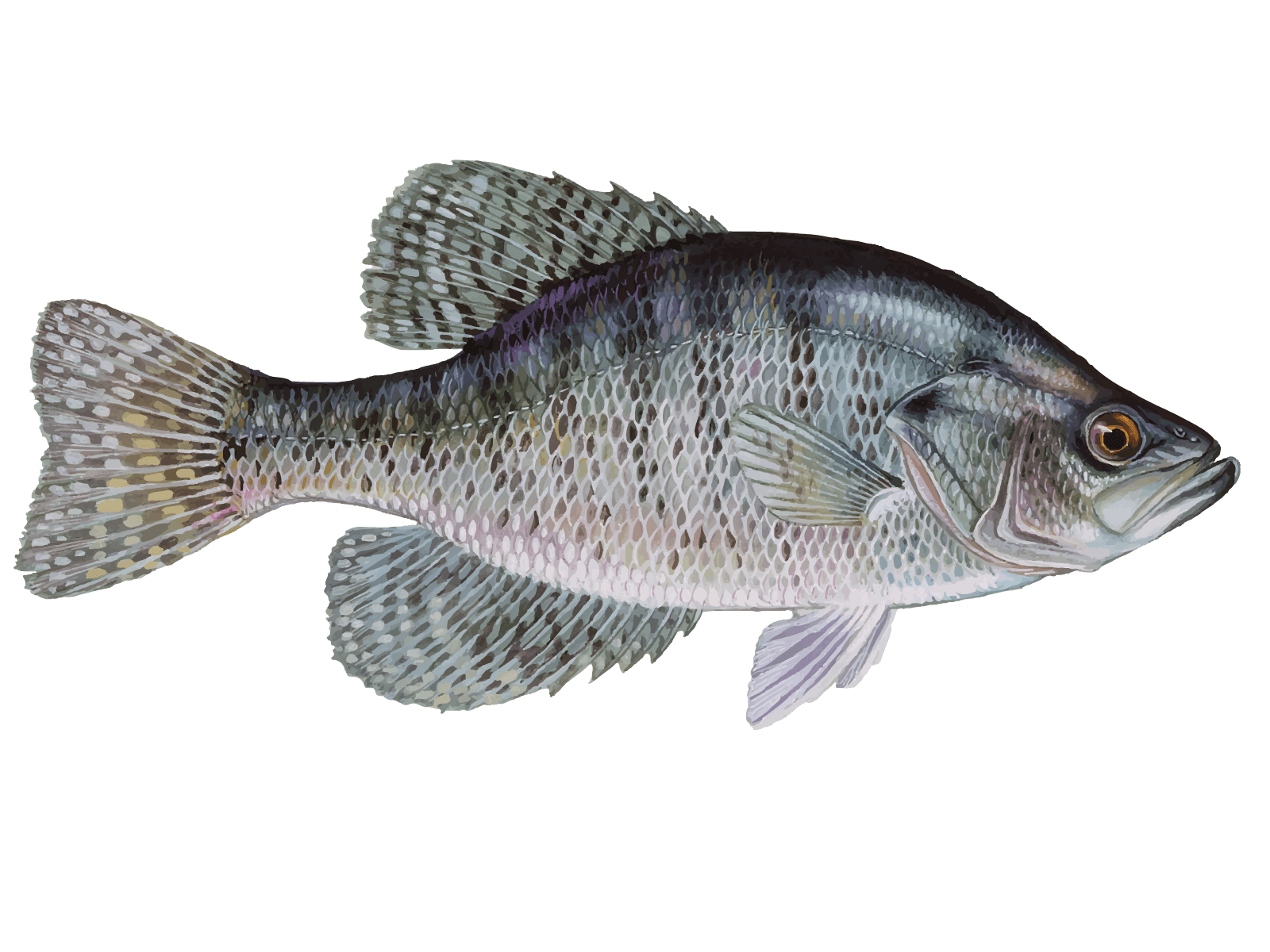
Crappie bring a different kind of excitement to the trip. These slab-sided panfish are masters of light cover, hanging around brush piles and fallen trees in 8-15 feet of water. They're notorious for their paper-thin mouths, which means you need a gentle touch once you hook up. Jordan teaches the "crappie grip" – keeping steady pressure without yanking. During their spring spawn, crappie move shallow and become much more predictable. A good day can produce 20-30 fish, with the bigger slabs pushing 14-15 inches. They're also fantastic table fare if you decide to keep a few.
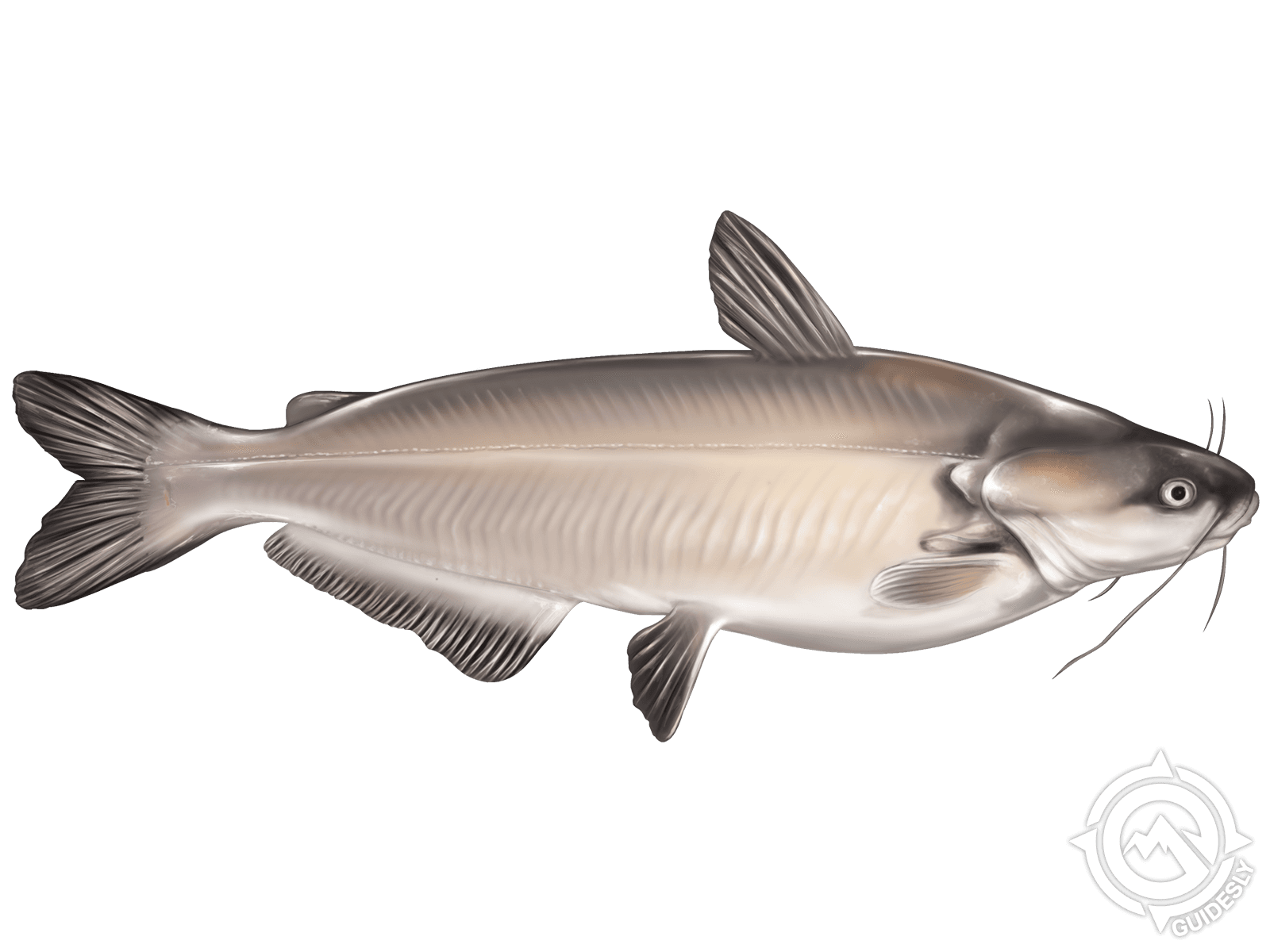
Blue catfish are the lake's gentle giants, capable of reaching impressive sizes while maintaining a calm demeanor that works perfectly for family fishing. These whiskered bruisers prefer deeper holes and channel edges, where they patrol for easy meals. What makes them special is their fighting style – powerful but not erratic. Once hooked, they pull steadily toward cover, giving everyone time to work together on landing the fish. Blues in the 5-15 pound range are common, with occasional surprises pushing much larger. They're most active during low-light periods, which is why Jordan starts these trips early.
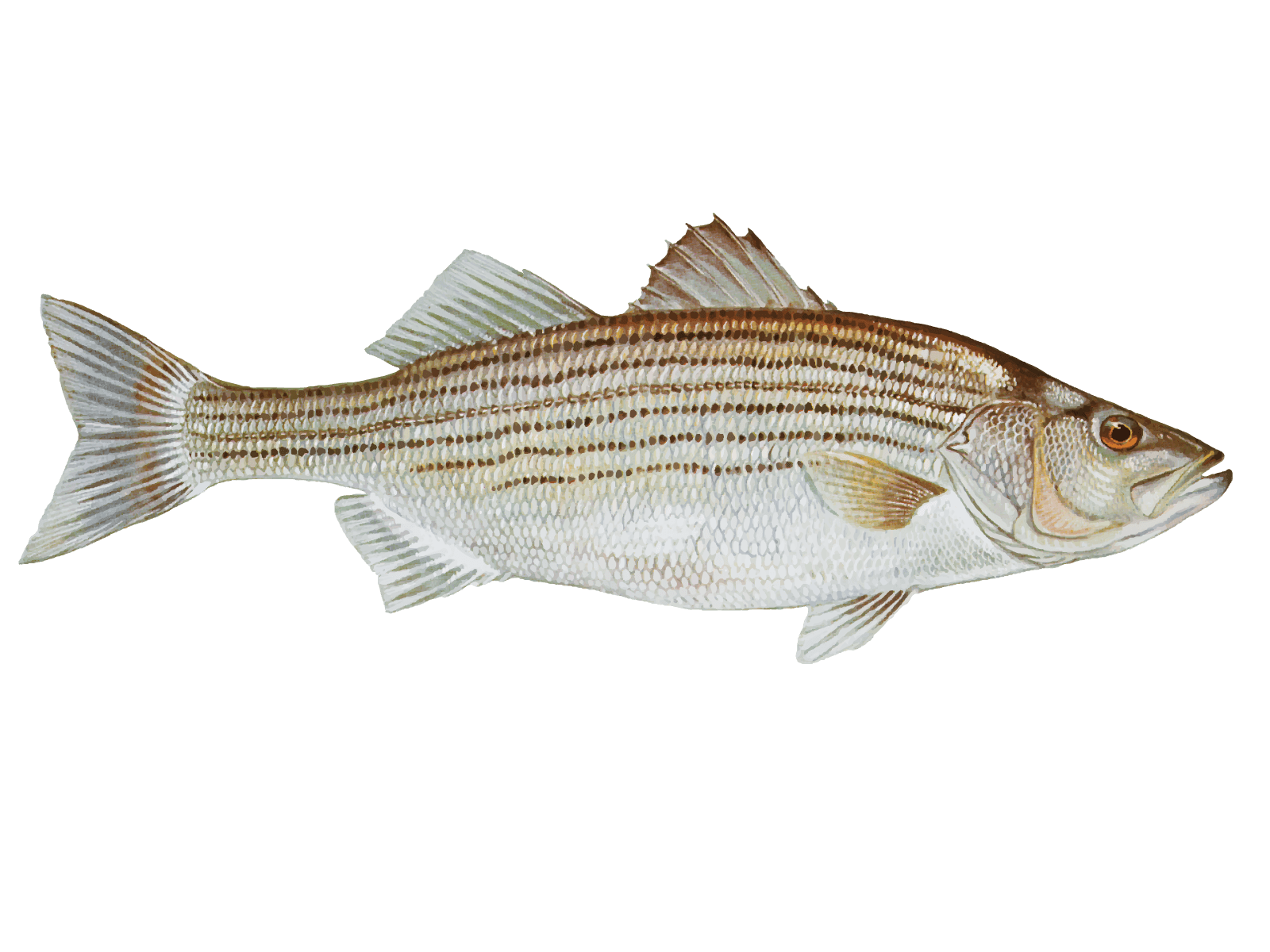
Striped bass add the real punch to Lake of the Ozarks fishing. These silver rockets can show up anywhere from shallow flats to deep main-lake points, often following schools of shad. When a striper hits, there's no question about it – they'll peel drag and make multiple runs before coming to the boat. Jordan knows the seasonal patterns well, positioning the family near points and humps where these fish ambush baitfish. Spring and fall provide the most consistent action, but summer fishing can be spectacular when you find them feeding early in the morning. Stripers between 3-8 pounds are typical, though the lake holds plenty of bigger fish for those lucky moments.
Time to Book Your Spot
Jordan's family fishing charters fill up quickly, especially during prime seasons when the fish are most active. The 5-hour format gives you plenty of time to really get into the rhythm of fishing without wearing anyone out. Everything you need is included – just bring your drinks, snacks, and sunscreen for a comfortable day on the water. This isn't just about catching fish (though you'll definitely do that), it's about creating those moments that families remember long after the trip ends. Lake of the Ozarks offers some of the most consistent fishing in the region, and Jordan knows how to put you on fish while keeping the experience fun and educational. Don't wait until the best dates are gone – book your family fishing adventure today and see why so many families make this an annual tradition.
Learn more about the species
Blue Catfish
Blue cats are the big bruisers of the catfish family - these things can grow massive, with fish over 40 pounds swimming these waters. They live in deep holes and channels, especially where current flows through. Unlike their smaller cousins, blues are aggressive hunters that will chase down live bait and put up a serious fight. Summer and fall produce the best action when they're feeding heavily. Families love them because once hooked, everyone knows about it - they make long, powerful runs that get the whole boat excited. The meat is excellent, mild and flaky without that muddy taste. My go-to method is fresh cut shad or skipjack fished right on the bottom in 20-40 feet. Keep your drag loose - these fish will test your equipment.
Crappie
Crappie are perfect family fish - they bite gently, fight just enough to be fun, and taste fantastic. Most run 8-12 inches and travel in schools around brush piles, docks, and fallen trees in 8-20 feet of water. Spring is magic time when they move shallow to spawn, making them easier to locate and catch. Both black and white crappie call these waters home, and kids love the steady action they provide. The meat is sweet and flaky - some of the best eating you'll find. They're most active at dawn and dusk, but we catch them throughout the day using small jigs tipped with minnows or worms. Pro tip: once you catch one, work that same spot thoroughly. Crappie school tight, so there's usually more where that first one came from.
Striped Bass
Stripers are the lake's premier game fish - powerful, beautiful fish with distinct black stripes running down silver sides. Most range 15-25 pounds, though bigger ones cruise these waters. They love structure like points, humps, and creek channels, typically in 20-40 feet during summer. Spring and fall offer the hottest action when they're actively feeding on shad schools. These fish are built for speed and endurance - they'll make screaming runs and jump when hooked. The meat is firm and delicious, perfect for grilling. What really gets guests excited is their unpredictability - you might catch one on a deep jig or see them busting shad on the surface. Watch for diving birds marking feeding schools. When you find active fish, live shad or large swimbaits work magic.
White Bass
White bass are schooling fish that run 10-12 inches and pack a solid punch for their size. You'll find them roaming open water and around points, usually in 15-25 feet during warmer months. Spring and early summer are prime time when they move shallow to spawn. These silver fighters are aggressive and will hit small jigs, spinners, or live minnows with enthusiasm. What makes them special is they travel in schools - find one and you've likely found dozens. They're also excellent table fare with firm, white meat that's perfect for a fish fry. Here's a local trick: when you see birds working the surface in open water, get there fast. White bass often push baitfish up while feeding, creating those feeding frenzies that make for fast action.
About the The Edge
%2F%2Fusers%2F4cd89cb9-c311-4e0b-be2e-5fa3cae29748%2Fvehicle_picture%2Fboat-mtlbts8c.webp&w=1920&q=75)
Vehicle Guest Capacity: 8
Manufacturer Name: Suzuki
Maximum Cruising Speed: 50
Number of Engines: 1
Horsepower per Engine: 250